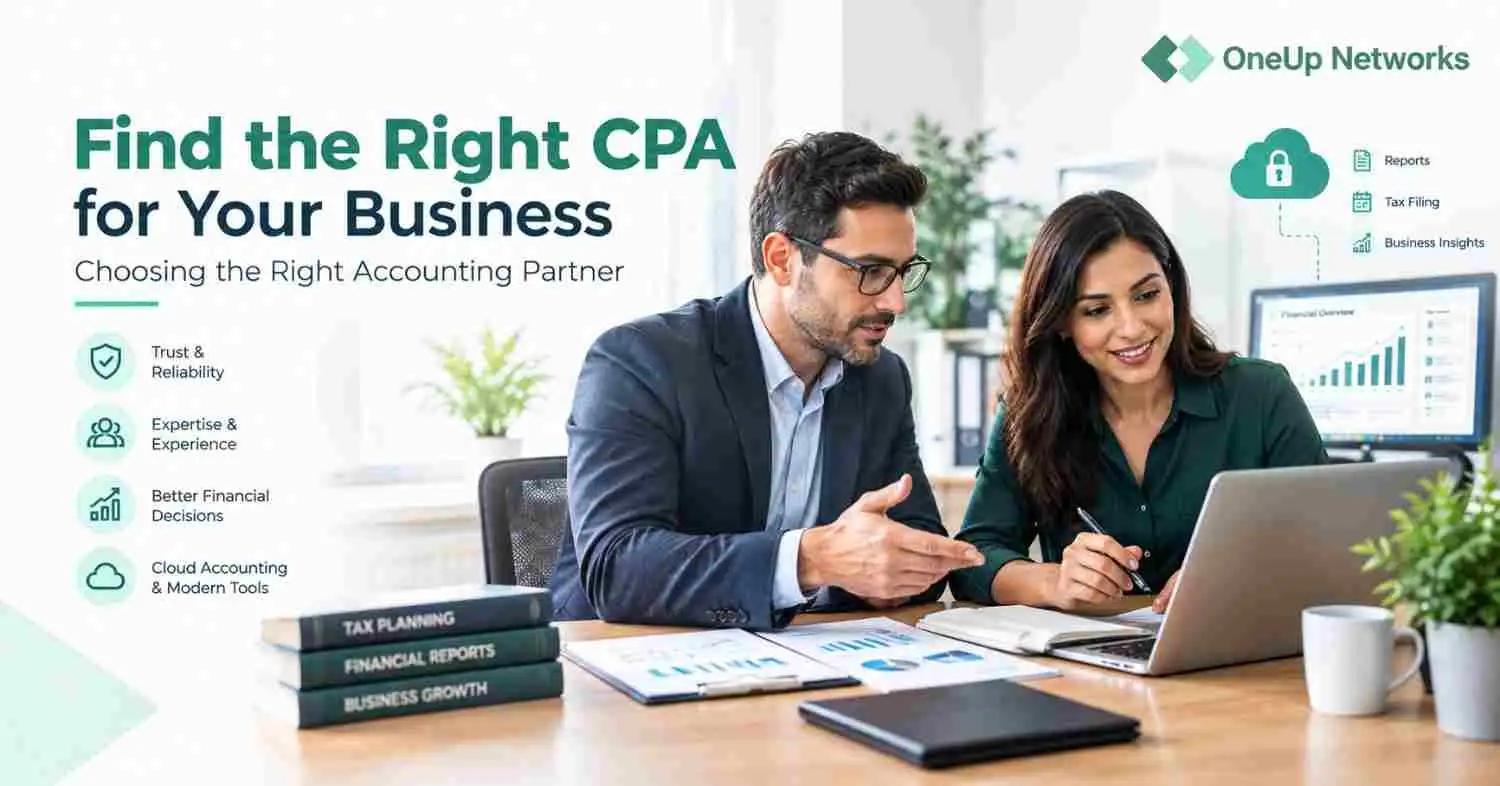
Choosing an accountant based only on availability or price can create challenges later. Businesses should evaluate experience, industry knowledge, communication style, and technology compatibility to find an accounting partner who can support their long-term goals.
- Choosing only based on price. The lowest-cost option may not always provide the expertise and support your business needs. A more experienced accountant can help prevent costly mistakes, improve financial visibility, and provide better guidance over time.
- Ignoring industry experience. An accountant familiar with your business type can better understand your challenges, reporting requirements, and financial priorities, making their advice more relevant to your operations.
- Not considering technology compatibility. Modern accounting depends on software, cloud platforms, and digital workflows. Choosing an accountant who understands your accounting systems can improve collaboration and create more efficient processes.
Introduction
Choosing the right CPA or accountant is one of the important decisions a business owner makes. Accounting is not only about recording transactions or filing taxes at the end of the year. Financial information influences many areas of a business, including cash flow planning, hiring decisions, expansion opportunities, budgeting, and compliance.
Many businesses begin by searching for an accountant when they face a specific problem, such as tax deadlines, growing financial complexity, or difficulty managing records. However, the best time to evaluate an accounting partner is before those challenges become urgent.
The right CPA or accountant should understand more than numbers. They should understand how your business operates, what challenges exist in your industry, which systems you use, and how financial information can support better decisions.
A good accounting relationship is built on expertise, communication, and trust. Whether you are a small business owner, startup founder, or growing company, selecting the right professional can help you maintain accurate records while gaining better visibility into your financial future.
CPA vs Accountant: Understanding Which Professional Your Business Needs
Before choosing an accounting professional, it is important to understand the difference between a CPA and an accountant. An accountant is generally responsible for managing financial records, preparing reports, handling bookkeeping activities, and supporting day-to-day accounting processes. Many businesses work with accountants for regular financial management and reporting.
A CPA (Certified Public Accountant) is a licensed accounting professional who has met specific education, examination, and experience requirements. CPAs often handle more complex accounting needs, including tax matters, audits, financial analysis, and advisory services. Requirements for CPA licensing vary by state in the United States.
The right choice depends on your business requirements.
| Business Need | Professional You May Need |
|---|---|
| Daily bookkeeping and financial records | Accountant or bookkeeper |
| Tax preparation and planning | CPA or experienced tax professional |
| Audit requirements | CPA |
| Financial strategy and business advisory | CPA or experienced accounting advisor |
| Growing business with complex needs | CPA firm or accounting partner |
A small business may only need accounting support for bookkeeping and reporting, while a growing company with complex tax or financial requirements may benefit from working with a CPA.
Start by Understanding Your Business Accounting Needs
Before choosing an accountant, businesses should first understand what type of support they actually need. Accounting covers a wide range of services, including bookkeeping, tax preparation, payroll, financial reporting, forecasting, and business advisory. Identifying your specific challenges helps you find a professional whose experience matches your requirements.
For example, a growing retail business may need an accountant who understands inventory and sales reporting, while a professional services company may require expertise in project billing and revenue tracking. Businesses that are expanding may benefit from stronger financial reporting and strategic guidance. The clearer you are about your needs, the easier it becomes to choose an accounting partner who can support your goals.
Look for Experience With Businesses Like Yours
Accounting knowledge is important, but relevant business experience can make a significant difference. An accountant who understands your industry is more likely to recognize common challenges, financial patterns, and operational requirements. For example, accounting needs for a construction company can differ significantly from those of an e-commerce business, healthcare company, or professional services firm.
Industry experience can also improve communication because the accountant already understands the type of decisions your business faces.
When evaluating a CPA or accountant, ask questions such as:
- Have you worked with businesses similar to mine?
- What financial challenges do companies in my industry commonly face?
- Which accounting systems do you typically support?
- How do you help businesses during periods of growth?
The goal is not simply finding someone who can complete accounting tasks. It is finding someone who understands the environment in which your business operates.
Evaluate Their Technology and Software Experience
Modern accounting depends heavily on technology. Businesses today use accounting applications, cloud platforms, payroll systems, reporting tools, and document management solutions to manage financial operations.
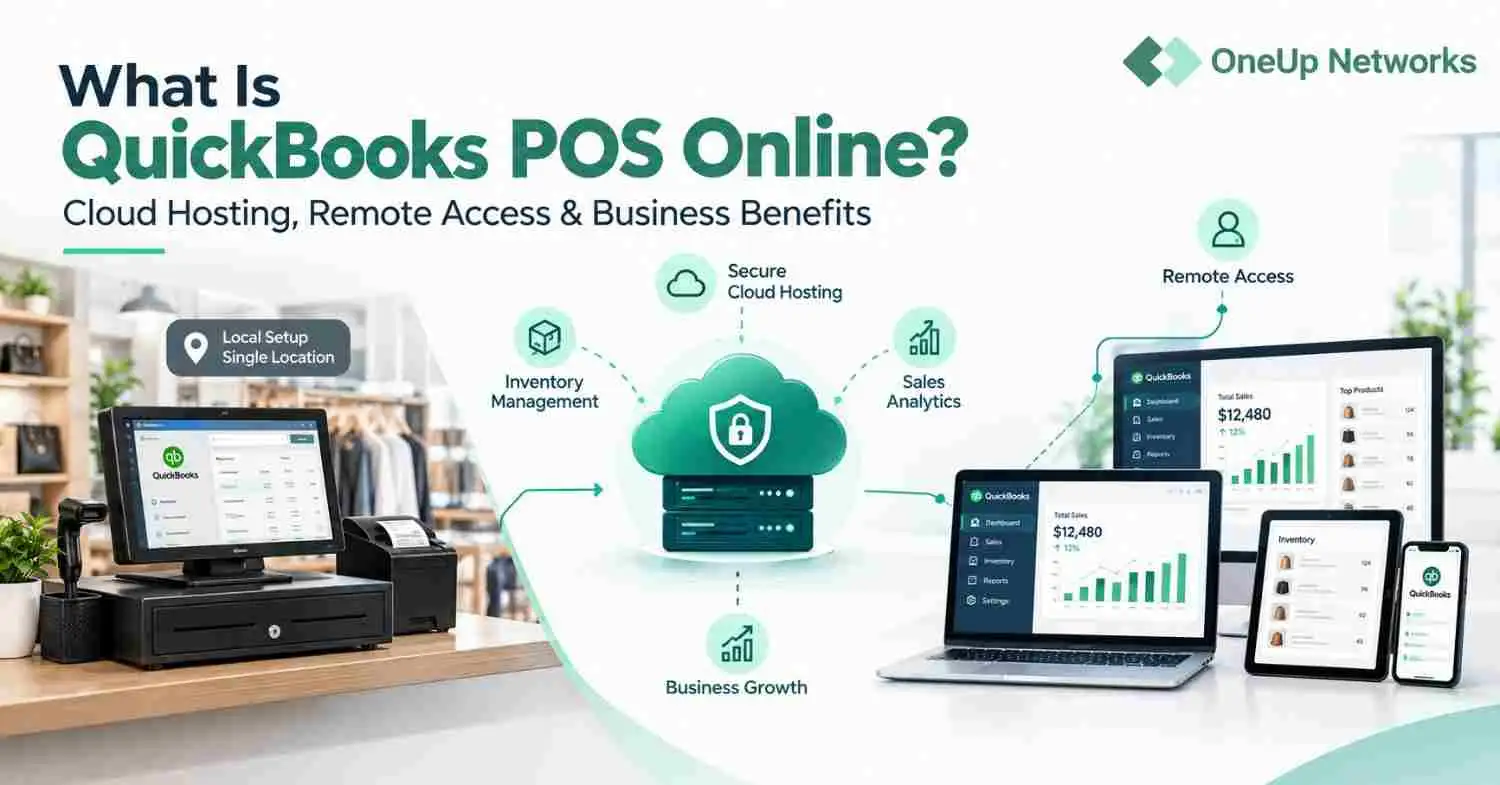
When choosing a CPA or accountant, consider whether they understand the technology your business already uses. For example, if your business relies on QuickBooks, tax applications, or cloud-based accounting workflows, your accountant should be comfortable working within those environments.
Technology experience matters because accounting is no longer only about entering numbers. It is about creating efficient workflows where financial information moves accurately between systems. A technology-focused accountant can help reduce manual processes, improve collaboration, and make financial information easier to access.
Consider Communication and Availability
Technical expertise alone does not create a successful accounting relationship. Communication is equally important. A good CPA or accountant should be able to explain financial information in a way business owners understand. They should help you answer questions such as:
- Where is the business financially today?
- What areas need improvement?
- What decisions may affect future growth?
- What financial risks should be considered?
Before hiring someone, understand how communication will work.
Ask about:
- Response times
- Meeting frequency
- Primary point of contact
- Support during tax season
- Availability for urgent questions
Clear expectations help avoid frustration later.
Questions to Ask Before Hiring a CPA or Accountant
Before making a decision, schedule a conversation with potential candidates and ask questions that reveal their experience and approach.
| Question | Why It Matters |
|---|---|
| What industries do you specialize in? | Helps determine whether they understand your business |
| What services do you provide? | Clarifies whether they meet your requirements |
| Which accounting software do you support? | Ensures technology compatibility |
| How do you communicate with clients? | Sets expectations for ongoing support |
| Who will handle my account? | Understands accountability and availability |
The initial conversation should feel like a partnership discussion, not just a price comparison.
Common Mistakes Businesses Make When Choosing an Accountant
Choosing the right CPA or accountant requires looking beyond basic factors such as pricing or availability. Many businesses make decisions based on short-term convenience but later realize that the accounting partner they selected does not fully understand their needs, industry, or workflow. Avoiding these common mistakes can help you find a professional who can support your business more effectively.
Choosing Only Based on Price
Cost is an important consideration when hiring an accountant, but it should not be the only deciding factor. The lowest-priced option may not always provide the level of expertise, communication, or support your business requires. An accountant who lacks relevant experience or does not provide proactive guidance may lead to missed opportunities, delayed decisions, or costly financial mistakes over time.
Instead of focusing only on fees, businesses should evaluate the overall value an accountant provides, including their experience, services, technology knowledge, and ability to support future growth.
Ignoring Industry Experience
Every business has different financial challenges, and an accountant who understands your industry can provide more relevant guidance. A professional working with retail businesses may understand inventory and sales reporting requirements, while someone supporting professional service companies may have more experience with project-based billing and revenue management.
Choosing an accountant without considering industry experience may require additional time for them to understand your operations and may limit the level of strategic advice they can provide.
Not Considering Technology Compatibility
Modern accounting depends heavily on technology. Businesses use accounting software, cloud platforms, payroll systems, reporting tools, and digital workflows to manage financial operations. If your accountant is not familiar with the systems your business uses, collaboration can become slower and less efficient.
Before choosing an accounting partner, consider whether they understand your accounting software, digital processes, and the technology environment your business depends on. A technology-compatible accountant can help create smoother workflows and make financial information easier to manage.
How OneUp Networks Supports Modern Accounting Workflows
Accounting firms and businesses increasingly depend on technology to manage financial applications, collaborate with teams, and securely access important information.
OneUp Networks helps businesses and accounting professionals create managed cloud environments for business-critical applications. The focus is not only hosting software but helping organizations build reliable technology environments with secure access, migration assistance, application support, backups, and managed infrastructure.
For businesses and accounting firms using applications such as QuickBooks Enterprise, Sage, Drake, UltraTax CS, Thomson Reuters CS Professional Suite, CCH, and other business-critical applications, a properly managed hosting environment can improve accessibility, collaboration, and workflow efficiency while reducing the burden of managing servers and IT infrastructure internally. OneUp Networks supports these environments through managed application hosting, cloud migration assistance, application setup and configuration, secure remote access, managed infrastructure, backup and recovery solutions, security-focused hosting practices, and ongoing technical assistance for accounting professionals and businesses.
Businesses continue maintaining their software licenses with the original vendors, while OneUp Networks provides the managed environment required to host supported applications.
Frequently Asked Questions
It depends on your business needs. Businesses requiring tax planning, audits, complex financial advice, or advanced reporting may benefit from a CPA, while regular bookkeeping and accounting tasks may be handled by an accountant.
A small business should look for relevant experience, clear communication, technology knowledge, and an understanding of its industry and goals.
Yes. Familiarity with the software your business uses can improve collaboration and reduce workflow problems.
Industry experience can help an accountant understand your challenges faster and provide more relevant financial guidance.
Both can work depending on your needs. Consider factors such as availability, expertise, support capacity, and future business requirements.
Conclusion: Choose an Accounting Partner That Supports Your Growth
Finding the right CPA or accountant is about more than outsourcing financial tasks. The right professional becomes a trusted partner who helps your business maintain accuracy, understand financial performance, and make informed decisions.
Before choosing an accountant, evaluate their experience, communication style, technology knowledge, and ability to support your long-term goals. A strong accounting relationship should provide more than compliance support — it should help your business operate with greater confidence and clarity.
As your business grows, the combination of the right accounting expertise and reliable technology infrastructure can create a stronger foundation for future success.